Mom’s Kitchen: A Cozy Design for Heartfelt Embroidery Projects
First Impressions: Warm, Welcoming, and Perfectly Homey
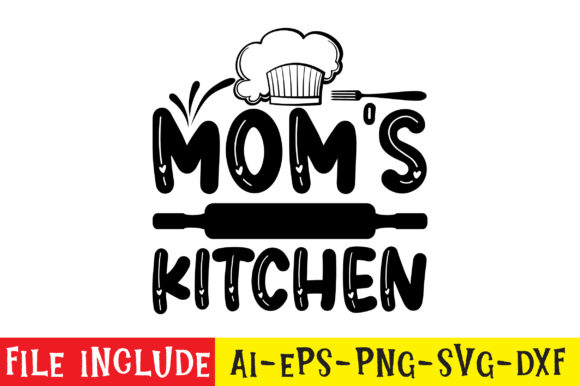
The moment I opened the files for Mom’s Kitchen, I could feel the warmth radiating from the design. It’s got that classic, hand-drawn charm that instantly evokes memories of Sunday mornings, fresh-baked cookies, and handwritten recipe cards. The layout is balanced, with a central motif—perhaps a vintage oven or a rolling pin—surrounded by smaller elements like utensils, herbs, or a flour sack. The theme is unmistakably homey, and the visual personality leans toward nostalgic rather than trendy. It’s the kind of embroidery design that feels like it belongs on a handmade apron or a linen kitchen towel, not a neon gym bag.
Real-World Use: From Tote Bags to Baby Bibs
I recently picked up a batch of organic cotton tote bags for a client who runs a boutique selling “Made with Love” items. Mom’s Kitchen was the perfect fit. The design scaled beautifully to fit the tote’s front panel without losing any of its detail. The stitch types—mostly satin and fill—held up well on the tightly woven cotton, and the thread contrast really popped. I tested it on a sweatshirt next, and while the texture of the fleece softened the edges a bit, the overall clarity remained intact with the right stabilizer underneath.
When I stitched it onto a baby bib, the simplicity of the design shone through. It didn’t overwhelm the small space, and parents loved the subtle nod to home-cooked meals and family traditions. For Etsy sellers and craft fair vendors, this design works well for seasonal bundles—think embroidered kitchen towels for Thanksgiving or personalized aprons for Mother’s Day gifts.
Where to Use It Carefully: Fabric and Fit Matter
While Mom’s Kitchen is versatile, it’s not a one-size-fits-all solution. On stretchy knit fabrics like those used in baby onesies, the satin stitch borders started to pucker slightly. A running stitch outline or a lighter fill might be better for those applications. Also, if you’re working with a small hoop size—like a 4x4—you’ll need to simplify or remove some of the finer elements to avoid crowding.
Dark fabrics are another consideration. I tested the design on black cotton, and while the thread colors stood out, the smallest details—like the handle of a whisk or the lines on a rolling pin—were harder to distinguish. This might affect how customers perceive the quality of your finished product, especially if they’re expecting a crisp, clean embroidery.
Curved surfaces like baseball caps are tricky for any design, and Mom’s Kitchen is no exception. The central motif is a bit wide for a standard cap hoop, so placement becomes critical. I ended up centering the main element and letting the smaller icons frame the top and bottom edges, which worked well for visual balance without distortion.
Design Impact: Elevating Your Craft Business
What makes Mom’s Kitchen stand out isn’t just its aesthetic—it’s the way it elevates the perceived value of your finished product. Whether you’re selling embroidered pillow covers on Etsy or boutique aprons at a craft fair, this design adds a touch of personality that customers respond to. It feels handmade, not mass-produced, which is key for creative entrepreneurs building a brand around authenticity.
From a branding perspective, this design can be used across multiple product lines. A small shop selling kitchen-themed items can use it on packaging tags, gift cards, or even digital mockups for product listings. The visual consistency helps build recognition, and the nostalgic tone appeals to buyers looking for sentimental gifts.
Designer Notes: Practical Tips for Best Results
Before stitching Mom’s Kitchen into your next project, take a few steps to ensure it performs as well as it looks:
- Test on scrap fabric first, especially if you’re using a new material or color.
- Check thread color contrast to make sure small details aren’t lost against the fabric.
- Review stitch density—if the fill areas feel too heavy, adjust for lighter fabrics.
- Confirm hoop size before stitching on small items like patches or baby caps.
- Inspect small details like lettering or thin lines to ensure they’ll stitch cleanly.
- Test in black and white mockups to see how the design holds up without color.
- Compare light and dark backgrounds to gauge visibility and clarity.
- Use the right stabilizer—especially for stretchy or textured fabrics.
- Verify licensing before using in commercial embroidery or digital product bundles.
If you’re planning to sell finished items or digital embroidery files, always double-check the license terms included with the design. While the product includes AI, SVG, and DXF formats, it’s important to confirm whether commercial use is permitted.
Final Thoughts: A Solid Choice for Heartfelt Projects
As a designer who’s worked with hundreds of embroidery files, I can say Mom’s Kitchen is one of the more thoughtful and usable designs in the crafts category. It’s not overly complex, but it still carries enough detail to feel special. Whether you’re embroidering a custom sweatshirt, a boutique tote, or a personalized gift, this design brings a sense of warmth and familiarity that’s hard to replicate.
For small business owners and Etsy sellers, it’s a smart addition to your design assets. It’s versatile enough for multiple product types and carries a visual tone that resonates with customers looking for something handmade and meaningful. Just remember to test it thoroughly, adjust for fabric type, and use it where it shines brightest—on products that celebrate the heart of home.