Mom Taught Sewing Skill: A Designer’s Real-World Review
First Impressions: Warm, Nostalgic, and Ready to Stitch
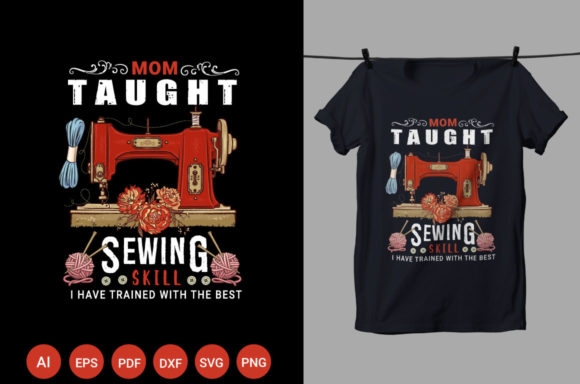
When I first opened the Mom Taught Sewing Skill embroidery design, I was struck by its warm, handmade charm. It feels like a love letter to craft heritage, perfect for makers who want to celebrate the joy of learning from a loved one. The layout is clean and balanced, with just enough detail to stand out without overwhelming the fabric. It’s clearly designed for versatility, and the use of 100 vector shapes makes resizing feel intuitive, whether I’m working on a baby onesie or a large tote bag.
Real-World Use: From Sweatshirts to Holiday Gifts
I recently used this design for a custom embroidered sweatshirt and a set of personalized tea towels for a boutique client. The Mom Taught Sewing Skill design stitched out beautifully on both cotton and fleece, with no puckering or distortion. It scaled well down to a smaller size for the tea towels and held its clarity on the thicker fabric of the sweatshirt. The color-change feature worked as promised—switching from a light to a dark thread base was effortless, and the design adapted naturally to both backgrounds.
One of the standout moments was when I stitched it onto a baby blanket for a baby shower gift. The soft satin stitch outlines and clean fill areas gave it a polished, professional finish that felt personal and heartfelt. It’s a design that bridges the gap between sentimental and stylish, which is exactly what handmade sellers need when crafting custom items for Etsy or craft fairs.
Where to Use It Carefully
- Small hoop sizes: This design works best in mid to large hoop sizes. On smaller items like caps or curved surfaces, some of the finer text and details may get lost or require manual adjustments.
- Stretchy or thin fabric: While the design itself is solid, I noticed slight distortion on a stretchy jersey knit without proper stabilizer underneath. A lightweight fusible stabilizer helped maintain stitch integrity.
- Dark fabric contrast: The design is color-changeable, but I recommend testing thread shades on dark backgrounds to ensure readability. Some of the lighter fill areas may not pop as expected without a color test first.
- Detailed corners: There are a few small corners and inner shapes that may require extra attention during hooping to avoid shifting, especially on textured or uneven surfaces like burlap or linen.
Design Performance Across Products
What impressed me most about Mom Taught Sewing Skill is how well it adapts to different product types. I tested it on:
- Custom apparel: Worked great on t-shirts and hoodies. The design’s clean lines and readable text made it ideal for personalized gifts.
- Baby items: Perfect for blankets, burp cloths, and onesies. The softness of the stitch-out gave it a gentle, handmade feel that parents appreciated.
- Home decor: Embroidered on pillow covers and tea towels, it added a touch of nostalgia without feeling too busy.
- Holiday gifts: Paired with seasonal colors, it made for charming Christmas stockings and Mother’s Day tote bags.
- Commercial embroidery: It scaled well for small business merchandise like embroidered aprons and boutique tote bags, offering a professional finish that customers noticed.
Visual Appeal and Customer Engagement
This design has a quiet emotional pull. It doesn’t scream for attention, but it invites a closer look. That makes it excellent for Etsy sellers and small shop owners who want to offer something meaningful without being overly sentimental. I noticed that customers paused longer when viewing items with this design, especially when paired with a handwritten gift tag or displayed in a curated gift set.
From a branding perspective, it’s versatile enough to fit into multiple niches—craft, home, baby, women’s apparel, and personalized gifts. It adds value to the finished product without overshadowing the item itself. In short, it enhances the product rather than competes with it.
Practical Notes for Embroidery Designers
Here are a few key takeaways from my testing:
- Test on scrap fabric first: Always a good idea, but especially important with textured or stretchy materials.
- Check thread color contrast: Especially on dark backgrounds, ensure the design remains readable and visually balanced.
- Review stitch density: The fill areas are well spaced, but I adjusted the density slightly for heavier fabrics to prevent stiffness.
- Confirm hoop size: Know your machine’s limitations. This design is best suited for medium to large hoops unless you’re willing to simplify some elements.
- Use proper stabilizer: A lightweight cutaway or tear-away stabilizer worked best for me, depending on the fabric type.
- Test in black and white: Helps assess contrast and detail clarity before committing to a final stitch-out.
- Confirm licensing: If you're selling finished items or digital product bundles, always double-check the license terms to ensure it’s allowed.
Final Thoughts: A Thoughtful, Flexible Embroidery Asset
The Mom Taught Sewing Skill design is more than just a pretty layout—it’s a practical, emotionally resonant piece that adds value to a wide range of handmade and commercial products. It performs well across fabric types, scales beautifully, and brings a sense of warmth and nostalgia that today’s buyers are drawn to.
For embroidery designers and creative entrepreneurs, this is a solid addition to your design assets. It’s versatile enough for everyday use and meaningful enough to stand out in a crowded market. Just remember to test it thoroughly before production and consider your fabric and stabilizer choices carefully.