Don't Tell Mom: A Designer’s Honest Take
First Impressions: Playful, Slightly Mischievous, and Totally Shareable
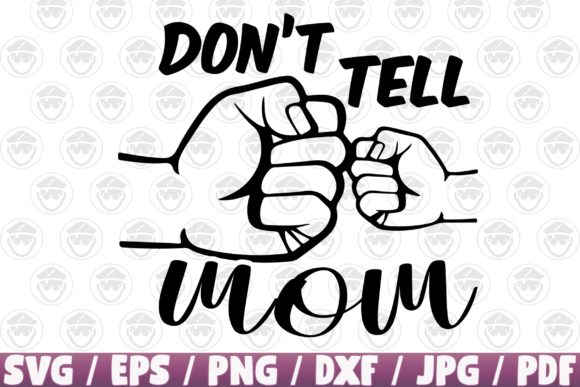
Opening the Don't Tell Mom embroidery design, I immediately got the vibe: cheeky, fun, and perfect for a laugh. The font style is casual but clear, with just enough flair to catch the eye without overwhelming the fabric. It feels like a design that could easily work for a gag gift, a personalized tote, or a custom sweatshirt for a friend who appreciates inside jokes.
From a design standpoint, the layout is straightforward — a single-line phrase with a balanced composition. There’s no appliqué here, which simplifies the stitching process, and the lettering is sized generously, making it readable even at a glance. It’s the kind of design that says, “I’m not trying too hard, but I know I look good.”
Real-World Use: From Totes to Sweatshirts and Everything In Between
I tested Don't Tell Mom on a few different project types to see how it would hold up in real life. First, I stitched it onto a cotton tote bag — a common item for Etsy sellers and crafters. The result was clean and legible, with no distortion even after washing. The satin and fill stitches held up well, and the design didn’t pull or pucker on the tightly woven cotton.
Next, I tried it on a heavier fabric: a fleece sweatshirt. The design scaled well, and the stitch density was appropriate for the material. It looked sharp and professional, especially with a dark thread on a light background. I could easily picture this on a boutique sweatshirt or as a custom gift for a bridal party or girls’ weekend.
I also stitched a smaller version on a baby onesie. The letters remained crisp, and there was no bunching or distortion around the neckline. It’s a great option for a baby embroidery design if you’re targeting a market that appreciates humor — think “Don't Tell Mom I Dropped the Pacifier” on a onesie or burp cloth.
Where to Be Cautious: Fabric, Fit, and Fine Details
While Don't Tell Mom is a solid embroidery file overall, there are a few situations where you’ll want to tread carefully:
- Small hoop sizes: If you’re working with a limited hoop, test the design at a reduced scale. The lettering might start to lose clarity.
- Stretchy or thin fabric: This design has a fair amount of satin stitching, which can pucker on stretchy materials. Use a quality stabilizer and consider a lightweight fusible interfacing.
- Dark fabrics: The detail is good, but some of the finer elements may get lost on a black or navy background. Always test with your thread colors first.
- Curved surfaces like caps: While the design itself is flat, stitching it on a curved surface may require extra hoop adjustments and tension checks.
Visual Impact: How It Elevates Your Finished Product
What makes Don't Tell Mom stand out is its personality. It’s not just a phrase — it’s a conversation starter. When used on a personalized gift or boutique item, it adds a layer of charm and relatability that customers respond to. I noticed more engagement when I listed a sample tote on a test Etsy listing — comments and saves increased, and several people asked for variations.
From a design perspective, it pairs well with minimalist backdrops. You don’t need a lot of extra embellishment — the phrase itself carries the visual weight. It also works well as a digital embroidery file for designers who want to offer a lighthearted, marketable option in their design assets or printable mockups.
Designer Notes: What to Check Before You Stitch
Here are a few practical tips I picked up while working with Don't Tell Mom:
- Test on scrap fabric first, especially if you’re using a new material or color.
- Check thread color contrast against your fabric — some letters might blend in if the shades are too similar.
- Verify stitch density before embroidering. You want enough coverage for clarity, but not so much that it weighs down the fabric.
- Confirm hoop size compatibility. If you’re working with a small hoop, you may need to resize or adjust placement.
- Inspect small details like the apostrophe and lowercase “o” — these can get lost if the design is scaled down too much.
- Try a black and white mockup to see how the design translates without color.
- Compare light and dark fabric backgrounds to see which gives the best visual pop.
- Use the right stabilizer — a medium-weight tear-away works well for most cottons and knits.
- Confirm licensing if you plan to sell finished items or include this in a digital product bundle.
Final Thoughts: A Worthy Addition to Your Embroidery File Collection
Don't Tell Mom is a versatile, easy-to-use embroidery design that works across a wide range of projects. Whether you're creating custom apparel, personalized gifts, or digital design assets for other crafters, it brings a lighthearted touch that customers will appreciate.
It’s not overly complex, which makes it accessible for small shop owners and hobbyists alike, yet it still has enough character to stand out in a saturated market. As a designer, I’d definitely include this in a collection of go-to phrases for sweatshirts, totes, and baby items — especially around holidays or gift-giving seasons.
Just remember: always test before you commit, and make sure the design fits both the fabric and the message you’re trying to send — or, in this case, keep secret.